Endless Consumable Costs
Activated carbon beds saturate quickly and cost a fortune to replace and dispose of. RTO destroys VOCs thermally, requiring absolutely zero filter media replacements.

RTO / RCO Thermal Oxidizer System
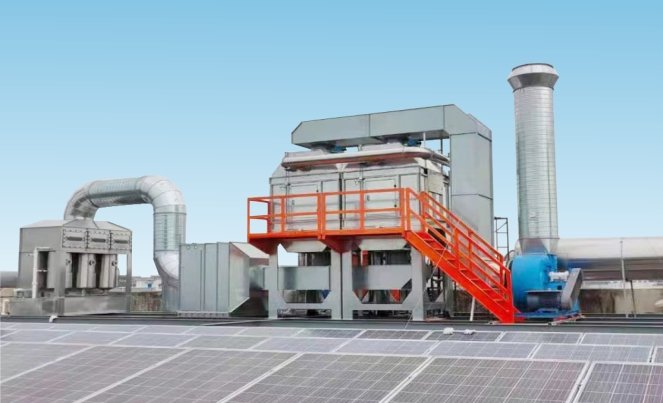
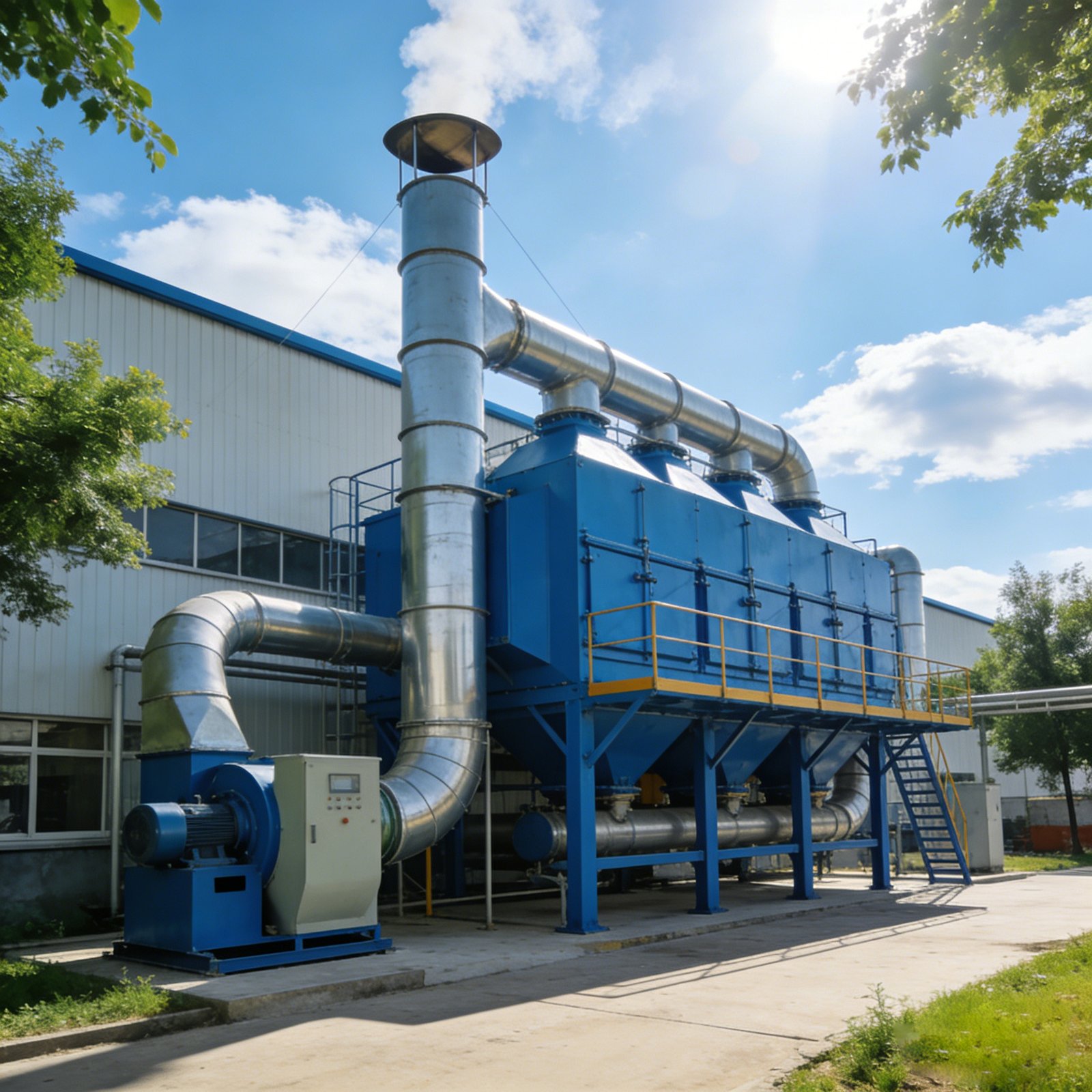
Upgrade to the apex of emission control. YT Environmental’s Regenerative Thermal Oxidizers (RTO) and Catalytic Oxidizers (RCO) use extreme heat and advanced ceramic media to obliterate up to 99.9% of VOCs. Unlike basic carbon filtration, our systems guarantee zero secondary waste and self-sustaining energy efficiency for high-concentration exhausts.
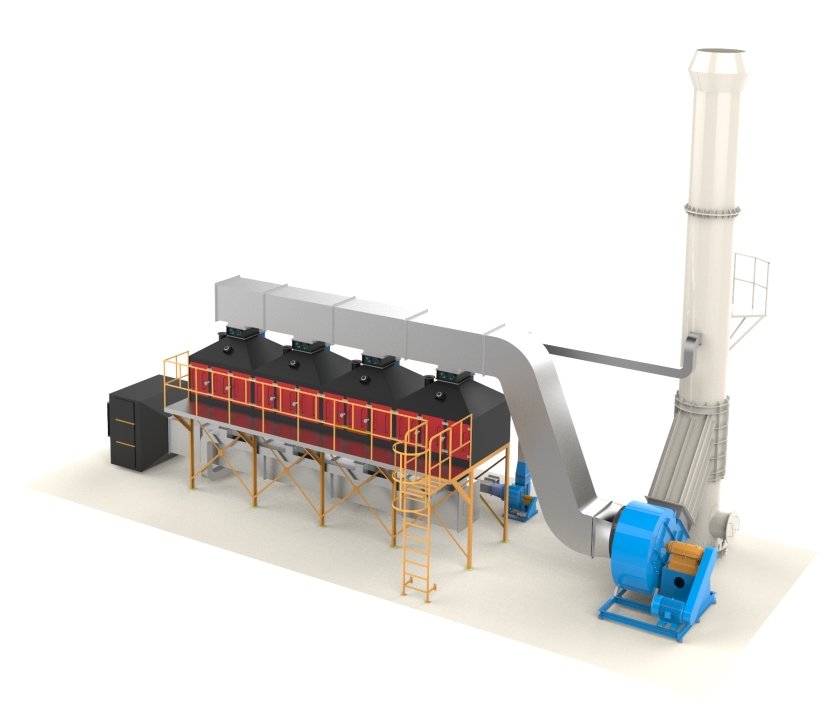
Obliterates complex hydrocarbons at temperatures exceeding 800°C, breaking them down entirely into harmless CO2 and water vapor.
Advanced honeycomb ceramic heat beds capture and reuse combustion heat, slashing natural gas or electricity consumption to near zero.
Eliminates the expensive and hazardous disposal processes associated with saturated activated carbon or spent chemical scrubbers.
Precision rotary or poppet valves ensure seamless airflow direction changes with zero pressure drops and zero untreated emissions.
Problems We Solve
When dealing with medium-to-high concentration industrial solvents, basic scrubbers and carbon boxes struggle, become easily saturated, and create secondary hazardous waste. RTO is the definitive, permanent solution.
Activated carbon beds saturate quickly and cost a fortune to replace and dispose of. RTO destroys VOCs thermally, requiring absolutely zero filter media replacements.
When local environmental laws demand <50mg/m³ or 99%+ removal efficiency, traditional physical methods fail. RTO guarantees compliance even under fluctuating factory loads.
Directly burning exhaust requires massive fuel consumption. Our regenerative ceramic beds recover up to 95% of the thermal energy, allowing the system to run fuel-free at certain VOC concentrations.
Video Showcase
Watch how our RTO and Catalytic Oxidation (RCO) systems utilize high-temperature combustion and smart valve controls to permanently neutralize industrial VOCs.
System Configuration
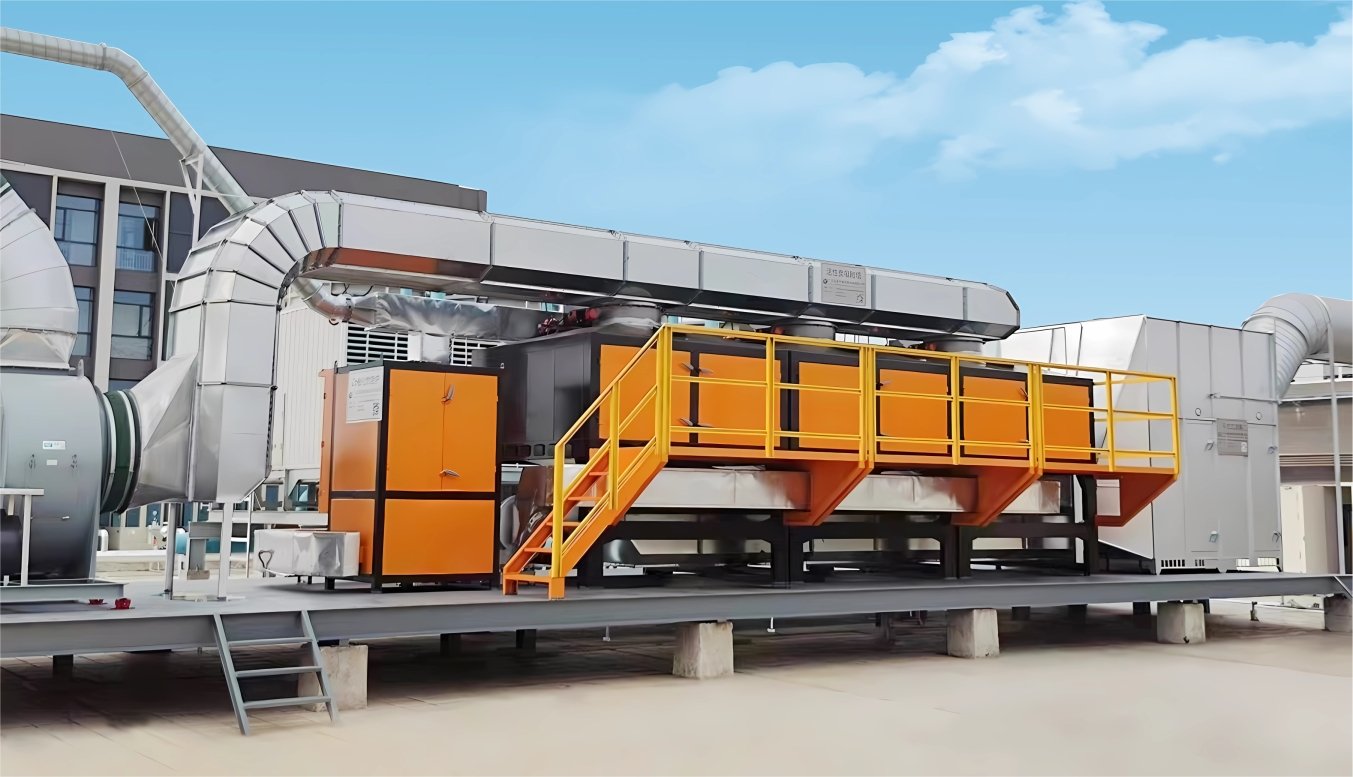
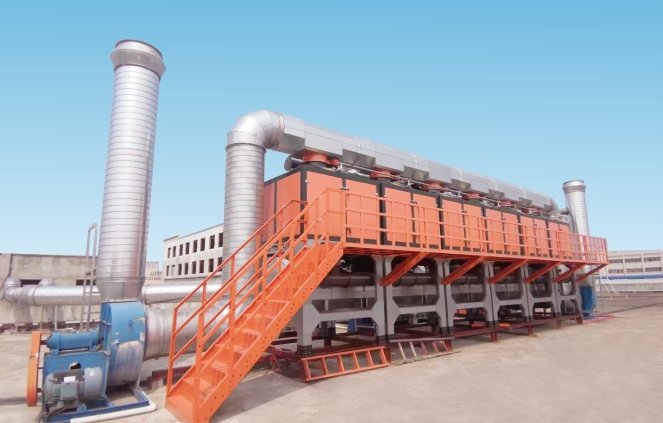
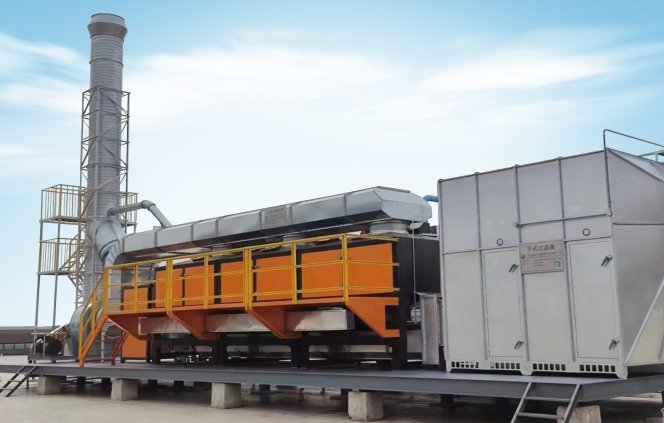
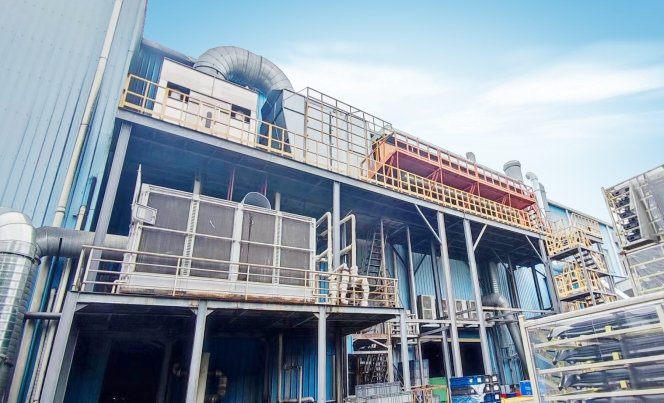
YT Environmental engineers the refractory chambers, ceramic volume, and burner size strictly based on your facility's exhaust LEL and calorific value.
Engineering Process
Thermal oxidation is a precise science. We calculate the exact residence time and combustion parameters to ensure maximum destruction with minimal fuel use.
Evaluate exact VOC components, LEL limits, and calorific value to ensure safe auto-ignition conditions.
Calculate the required ceramic mass, optimal residence time (typically >1s), and necessary burner capacity.
Select two-bed, three-bed, or rotary RTO designs based on your factory's continuous flow and efficiency needs.
Assemble the heavy-duty steel casing, install thick refractory insulation, and integrate the PLC control matrix.
Perform precise burner tuning, LEL safety interlock testing, and thermal balancing on-site.
Customization Parameters
Share your exhaust data and YT Environmental will engineer a thermal oxidizer that meets the highest environmental standards while heavily cutting your energy costs.