Rapid Filter Blinding
Sticky oil mist and welding fumes quickly clog fabric bags and cartridges. ESP uses open electric fields, preventing clogging and maintaining constant airflow.

Electrostatic Precipitator (ESP)
YT Environmental engineers robust Electrostatic Precipitators (ESP) designed to capture sub-micron particulate matter, welding smoke, and heavy oil mist. Utilizing high-voltage ionization, our ESP systems deliver superior filtration with minimal pressure drop, ensuring low energy consumption and continuous compliance for heavy industries.
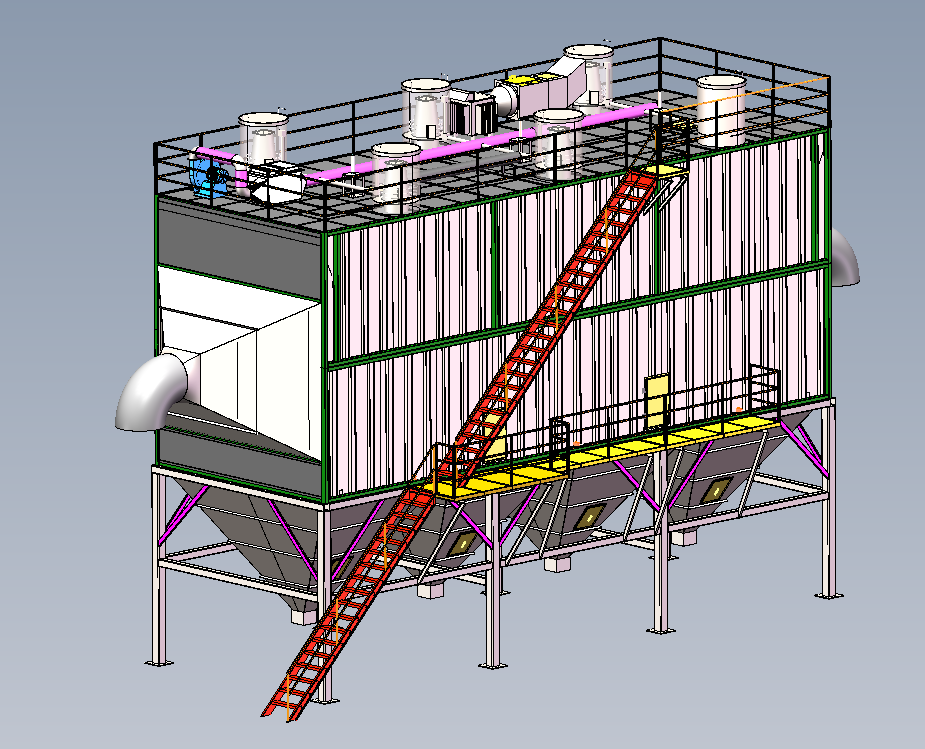
Captures microscopic smoke, oil mist, and dust particles down to 0.01 microns that easily bypass traditional media filters.
Maintains a near-zero pressure drop across the system, significantly reducing the main fan's electrical load.
High-grade alloy collector cells never need replacing—simply wash and reuse, eliminating expensive consumable costs.
Constructed with industrial-grade solid-state transformers and rigid insulators for 24/7 continuous operation in harsh environments.
Problems We Solve
When dealing with sticky fumes, oil plumes, and fine metallurgical smoke, standard fabric filters clog rapidly and fail. ESP technology uses electric fields to bypass these physical limitations entirely.
Sticky oil mist and welding fumes quickly clog fabric bags and cartridges. ESP uses open electric fields, preventing clogging and maintaining constant airflow.
Constantly replacing saturated filter cartridges destroys maintenance budgets. ESP collector plates are permanently reusable, drastically lowering OPEX.
Standard filters fail to capture sub-micron smoke plumes. Our high-voltage ionization traps particles down to 0.01 microns, completely eliminating visible stack smoke.
System Configuration
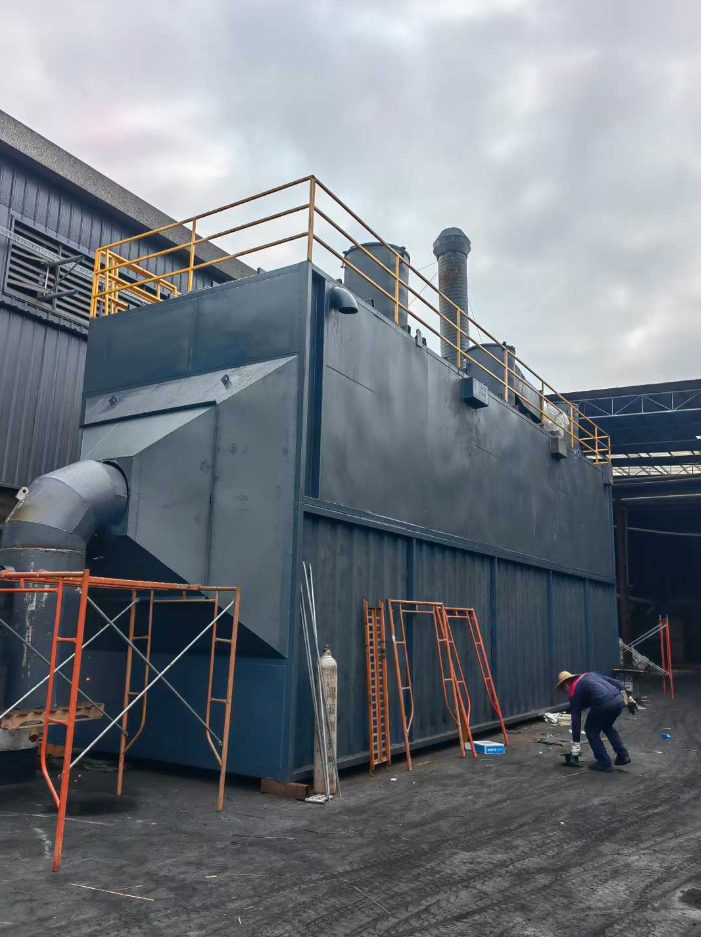
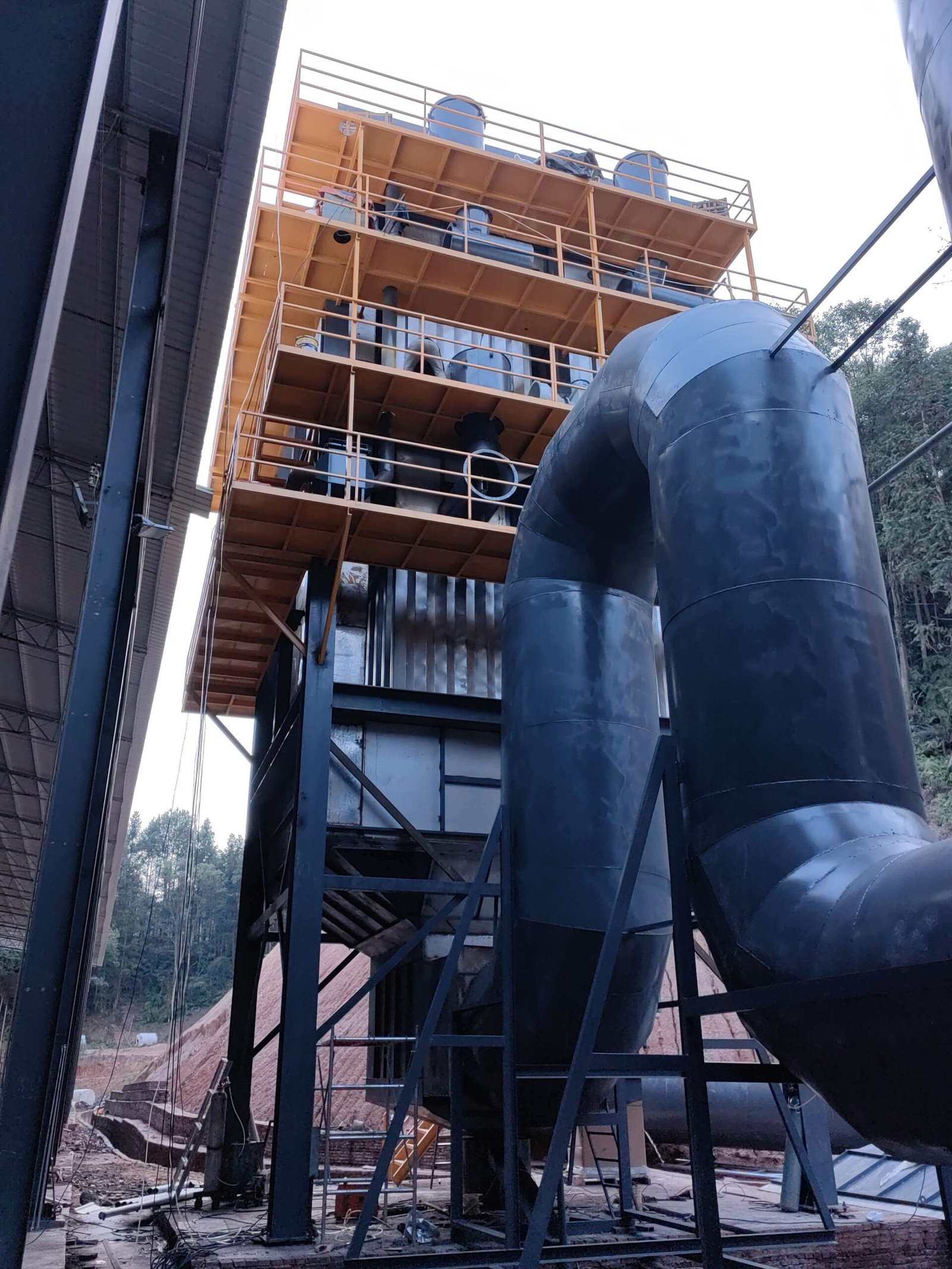
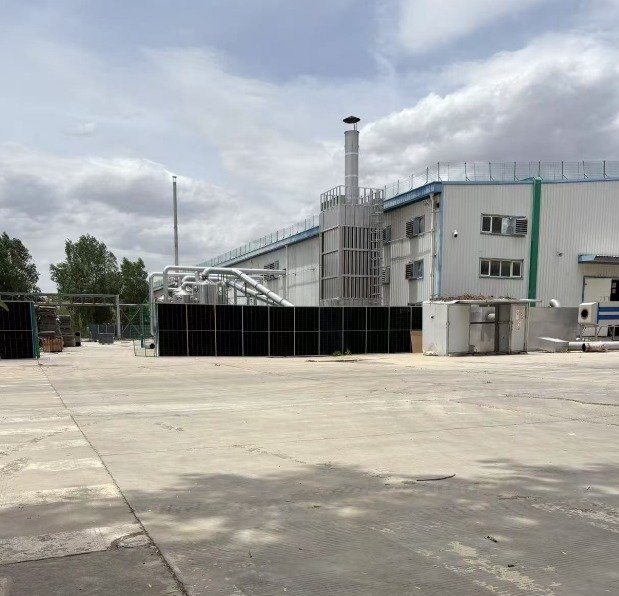
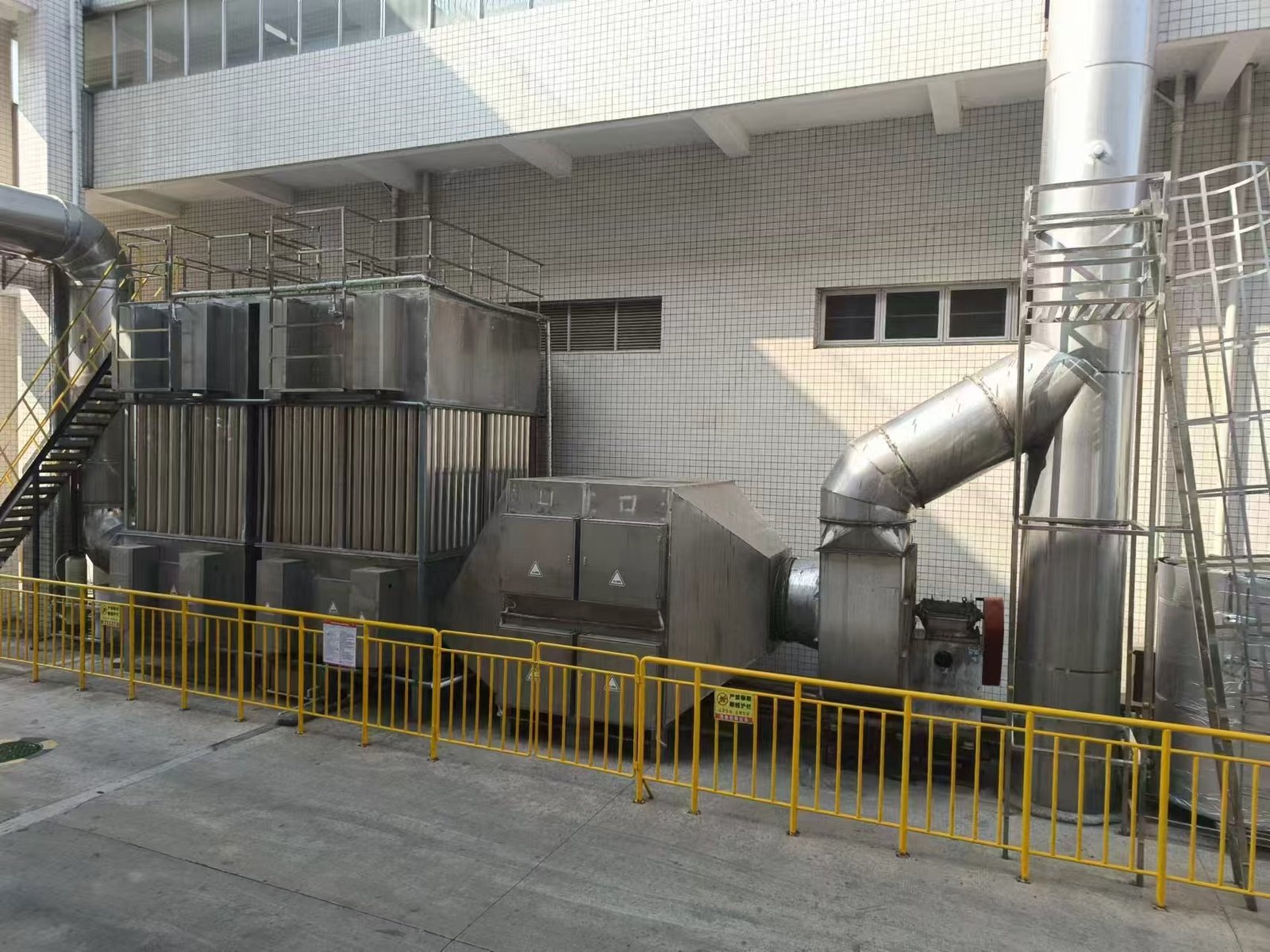
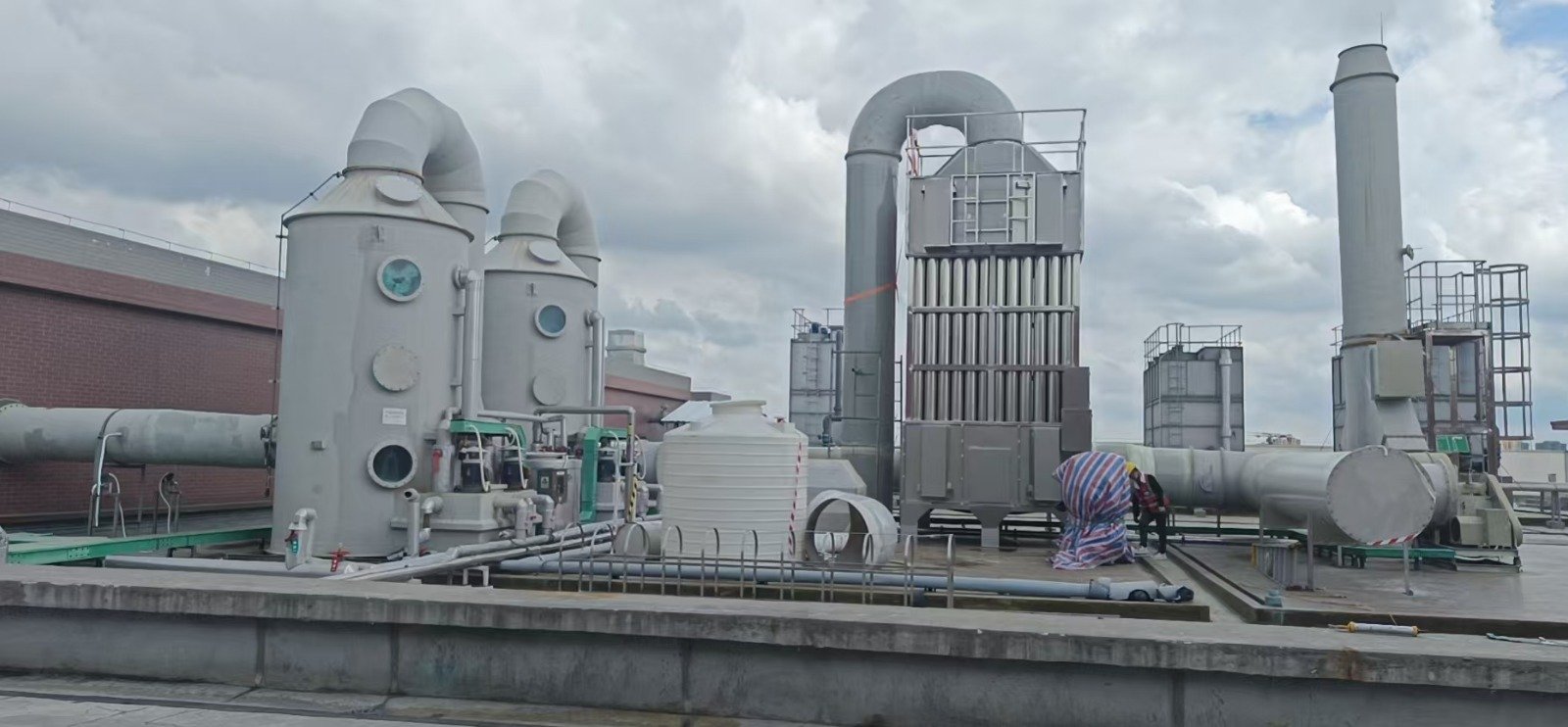
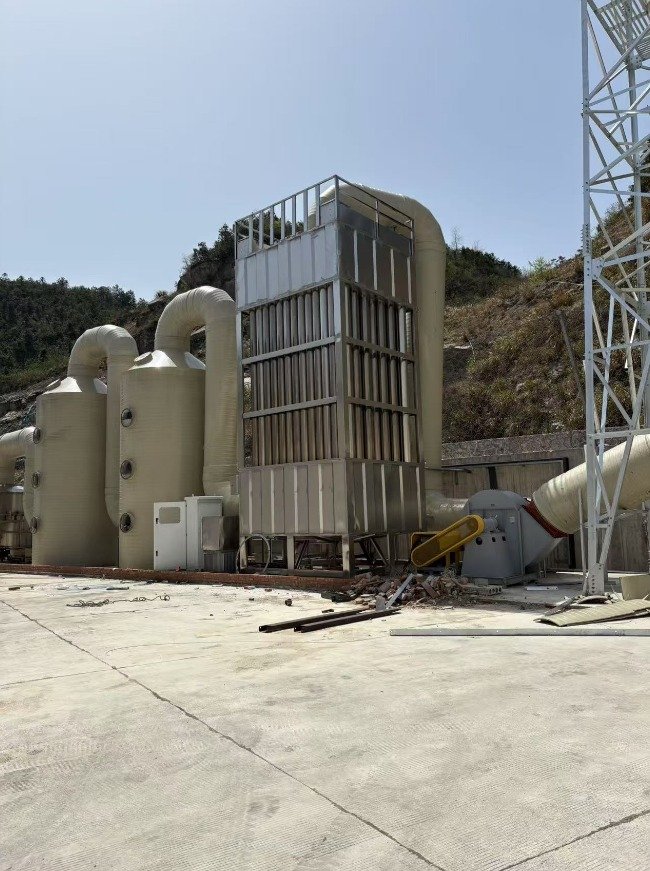
YT Environmental designs ESP configurations precisely matched to your exhaust velocity, particle loading, and temperature profile.
Engineering Process
Electrostatic precipitation requires exact airflow and voltage calculation. We ensure your system is perfectly tuned to your specific particulate profile for maximum capture.
Analyze exhaust composition, confirming the presence of oil mist, welding smoke, or sticky particulates.
Determine the required ionization voltage and collector plate surface area for optimal capture efficiency.
Design the ESP chamber layout and airflow distribution plates to ensure uniform velocity across all cells.
Assemble robust collector cells, high-frequency power units, and automated wash mechanisms.
Perform high-voltage calibration, airflow balancing, and safety interlock testing on-site.
Customization Parameters
Share your exhaust data and YT Environmental will engineer an ESP solution that completely eliminates visible smoke and oil mist from your facility.