Workshop Clutter & Noise
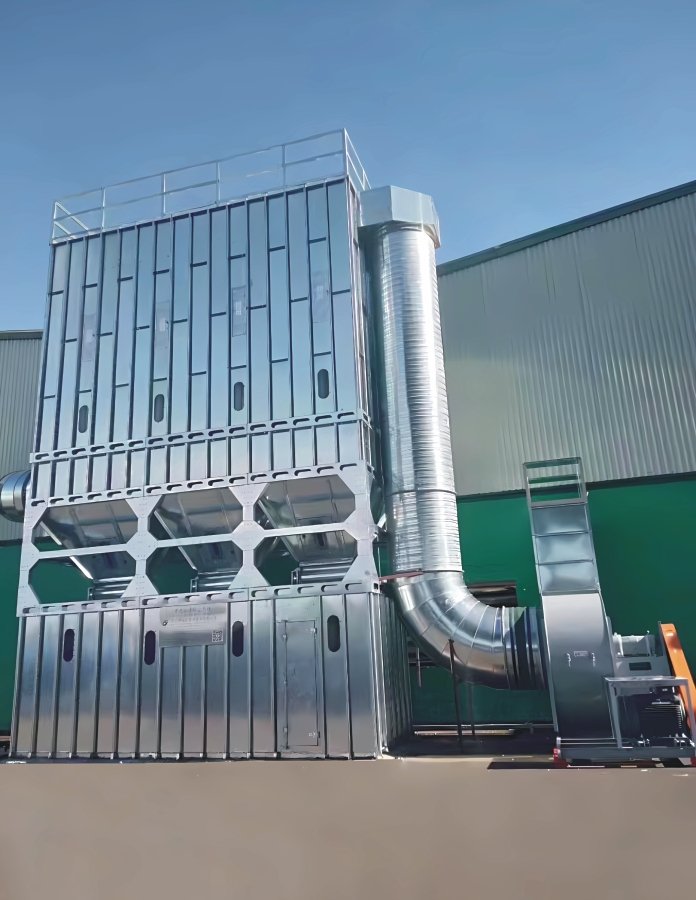
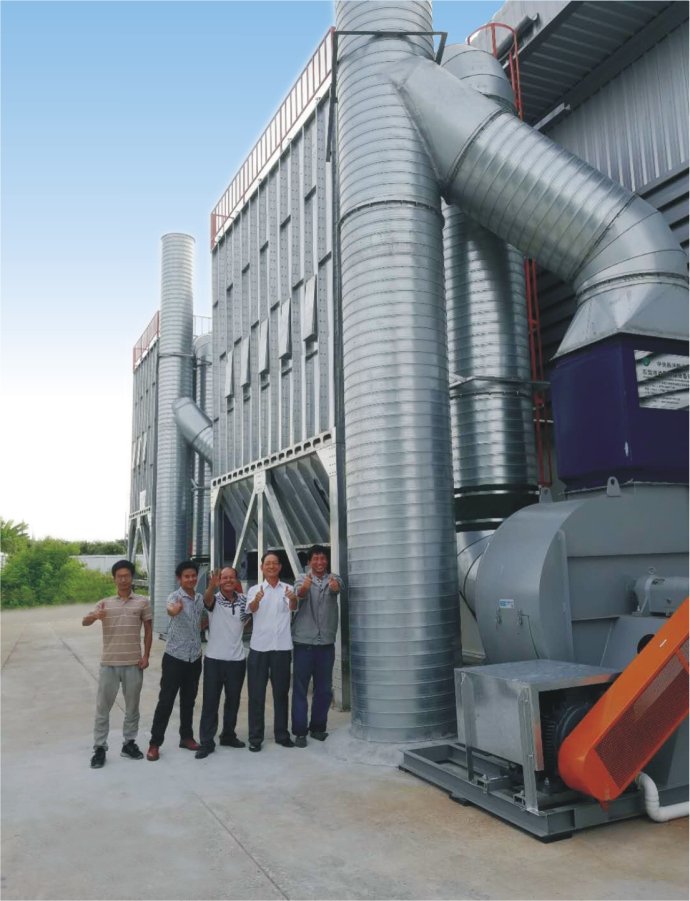
By moving the massive fan and filtration units outdoors, you instantly reclaim valuable indoor production floor space and drastically reduce the noise level for your workers.

Central Dust Collection System
YT Environmental engineers heavy-duty central dust collection systems that connect dozens of workshop machines into a single, highly efficient filtration unit. Designed to save indoor floor space, reduce energy consumption, and guarantee whole-factory environmental compliance.
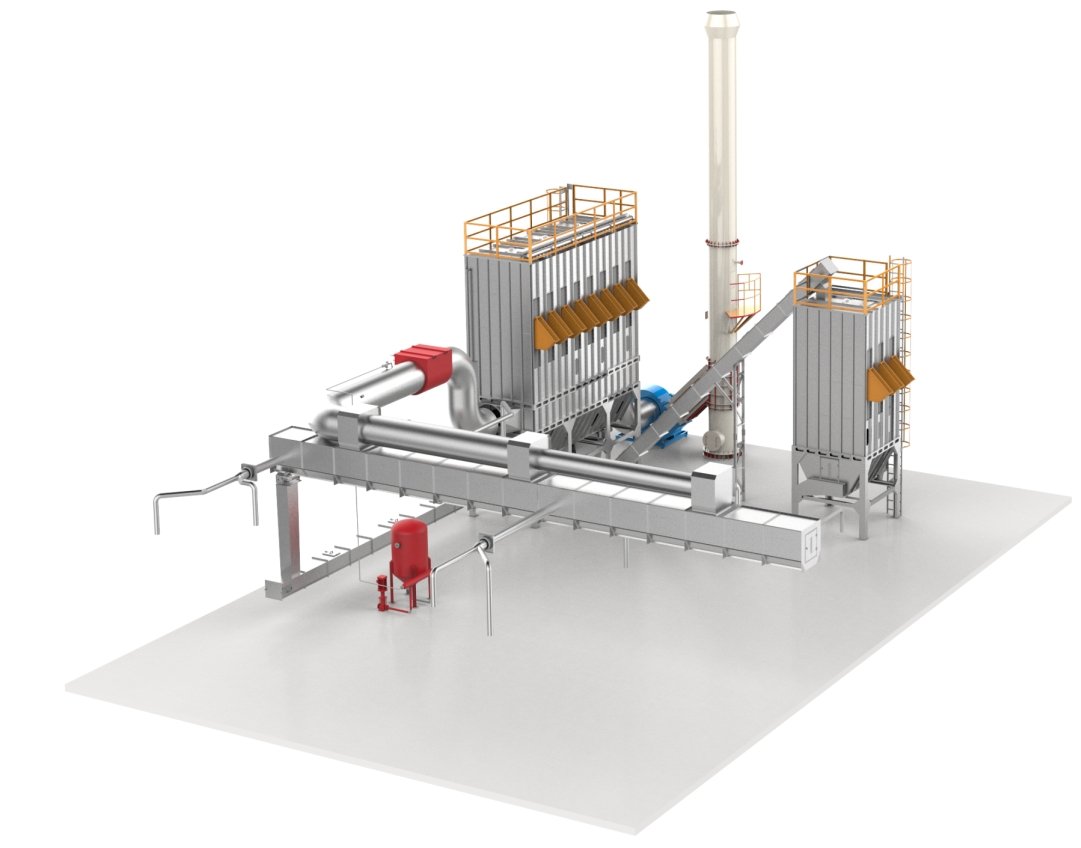
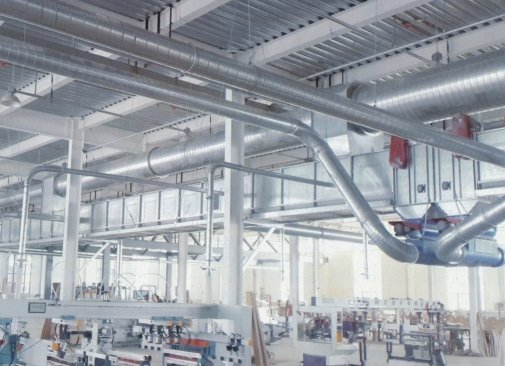
A single outdoor unit can extract dust from multiple production lines and workstations simultaneously via optimized ducting.
Smart PLC controllers automatically adjust fan speeds based on the number of active machines, saving up to 40% in electricity.
Massive filter surface areas combined with high-pressure pulse-jet cleaning allow for continuous 24/7 uninterrupted operation.
Equipped with explosion venting panels, isolation valves, and spark detection systems to neutralize fire and explosion risks.
Problems We Solve
Relying on multiple small, localized dust collectors clutters your factory, consumes excessive power, and makes maintenance a nightmare. A central system solves these operational bottlenecks permanently.
By moving the massive fan and filtration units outdoors, you instantly reclaim valuable indoor production floor space and drastically reduce the noise level for your workers.
Instead of emptying dozens of small bins across the factory, your maintenance team only needs to manage one centralized automated ash discharge point, saving immense labor time.
Wood, metal, and composite dusts are highly combustible. Our central systems isolate these hazardous materials away from the production area with certified explosion protection.
Video Showcase
Watch how our central dust collection equipment connects entire factory floors, providing stable suction and automated cleaning in high-load industrial environments.
System Configuration
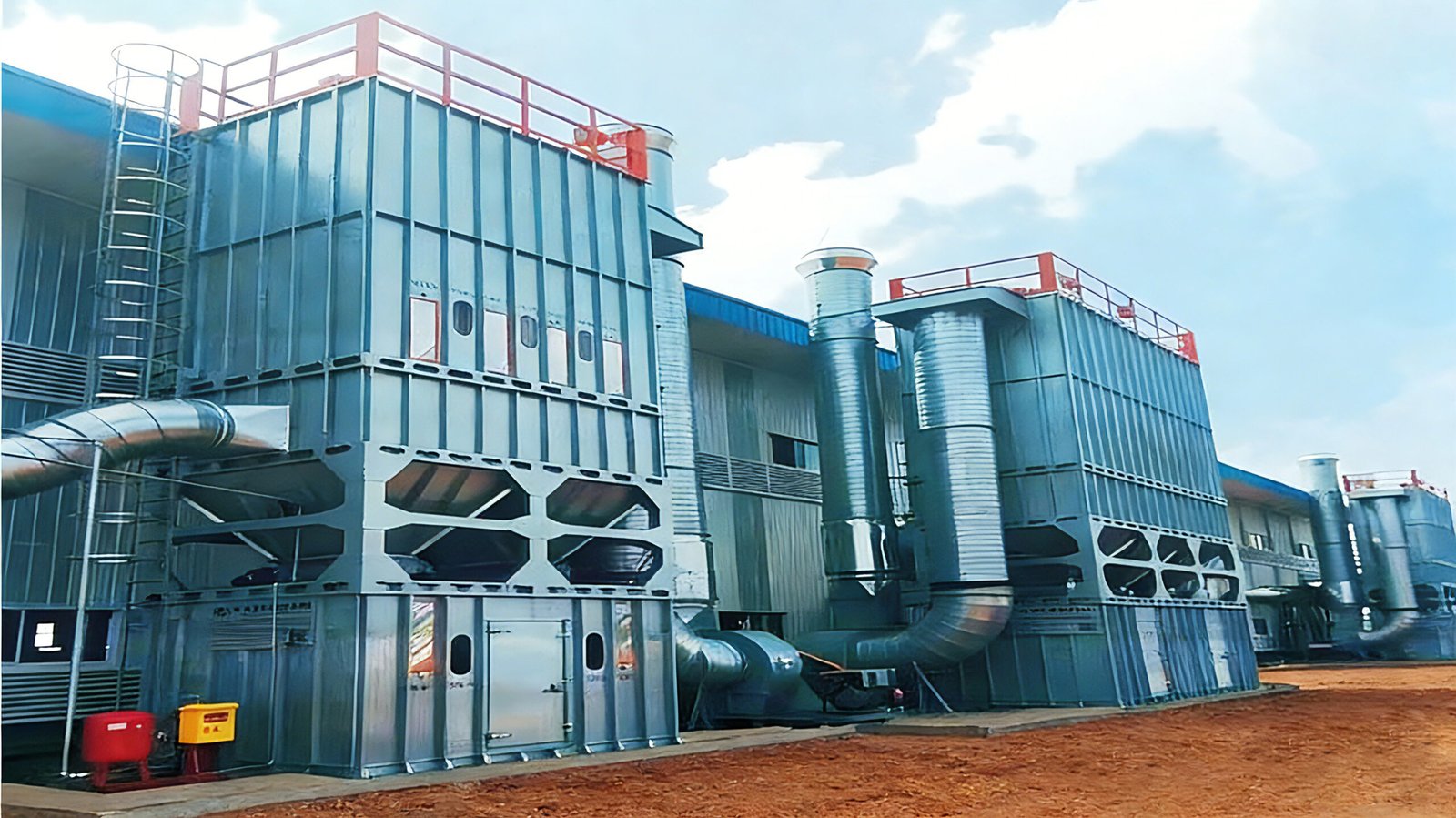
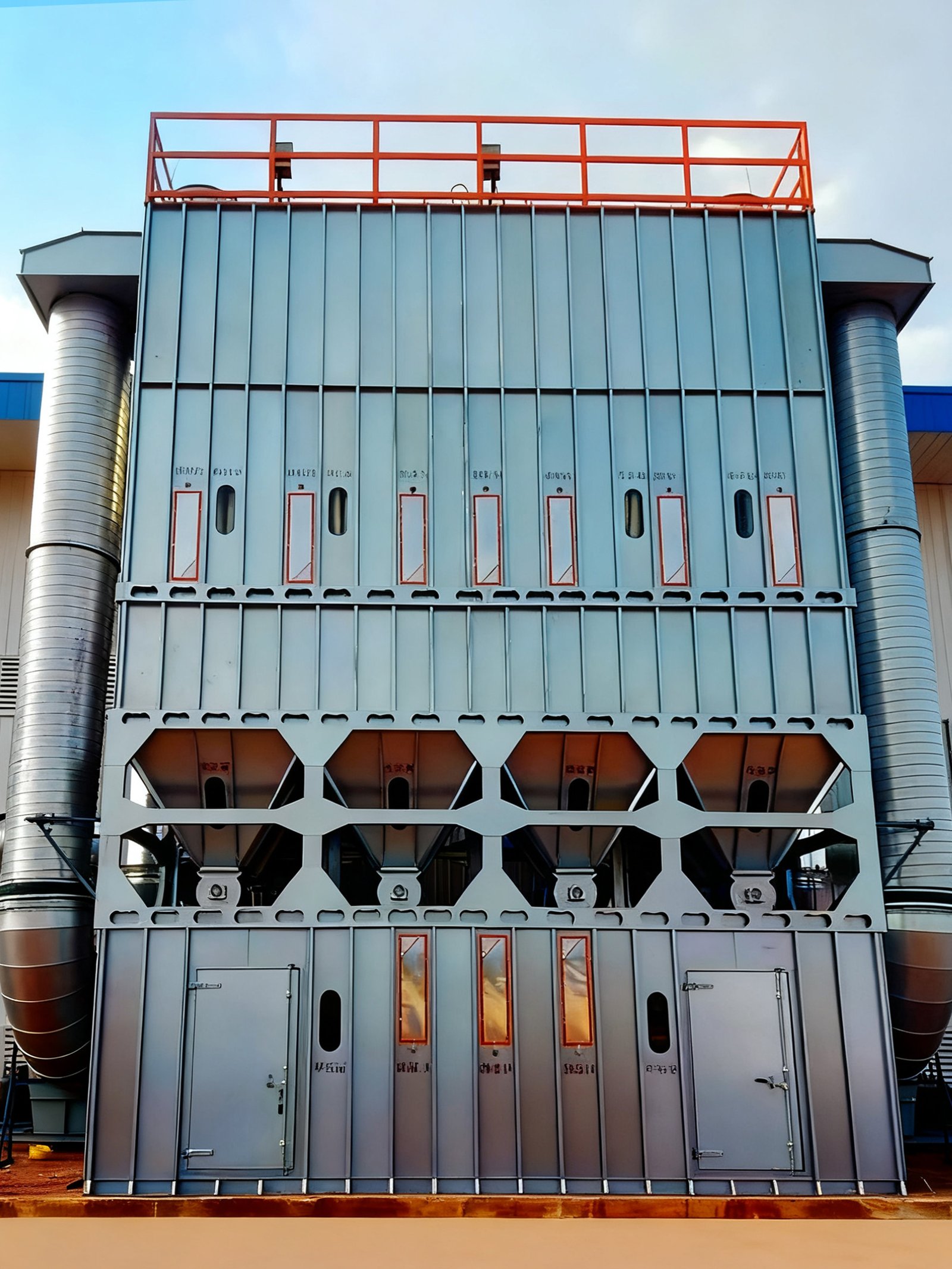
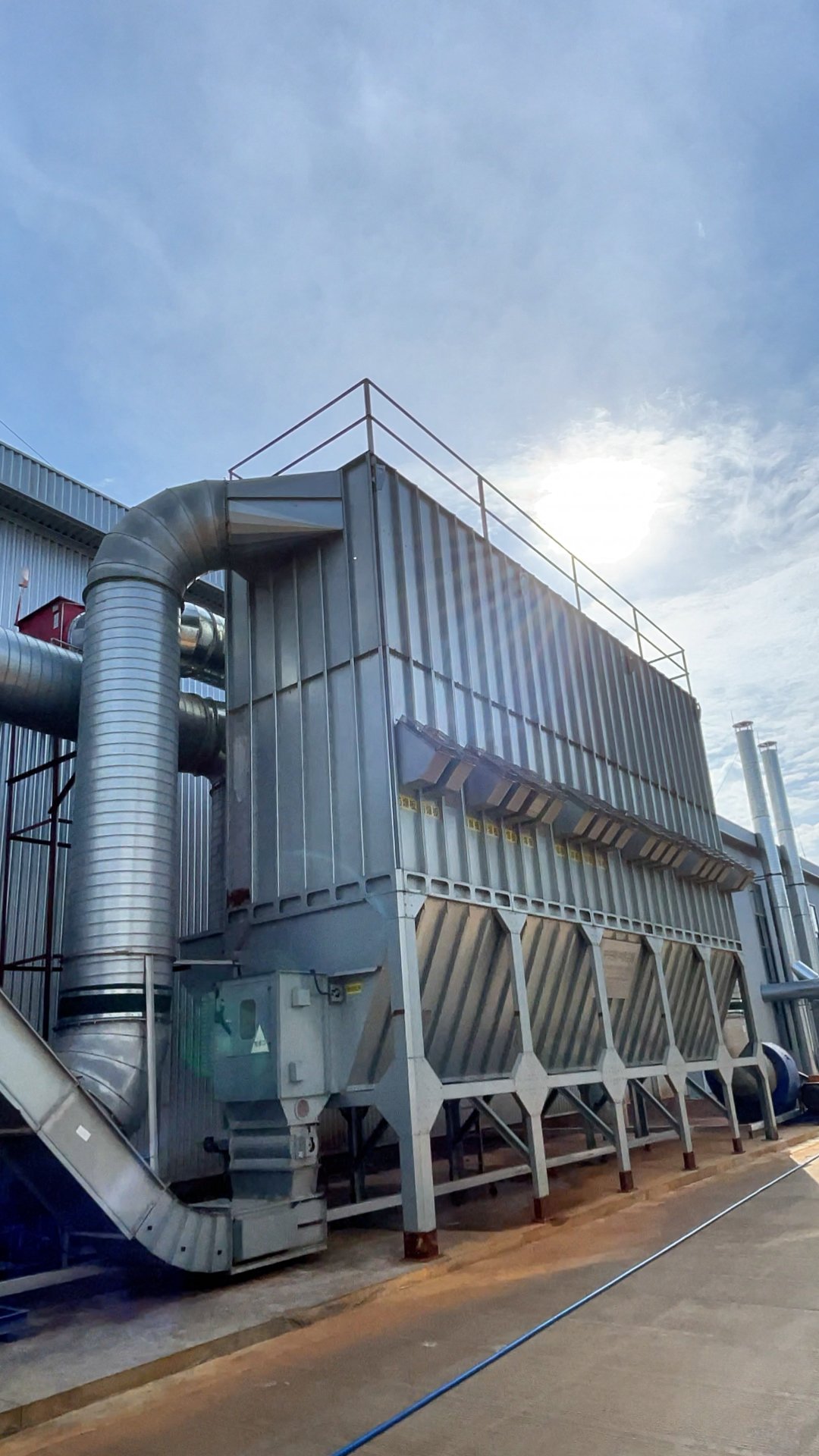
YT Environmental custom-designs the static pressure and pipe diameters for every single central system based on your exact factory layout.
Engineering Process
A successful central system relies 100% on accurate fluid dynamics calculations. We ensure that the furthest machine on the line gets the exact same suction power as the closest one.
Identify all dust-producing machines, their specific CFM needs, and simultaneous usage rates.
Calculate the total required air volume and the static pressure drop across the entire duct network.
Design a balanced duct routing plan, sizing main lines and branch pipes to maintain transport velocity.
Produce the heavy steel collector housing, tailored fan units, and required explosion protection gear.
Complete on-site hoisting, pipe assembly, VFD tuning, and final airflow balancing tests.
Customization Parameters
Share your factory details and YT Environmental will calculate the exact fan size, filter area, and ductwork blueprint required for your central system.